What You Can Do Today (and Tomorrow) to Protect Your Brain as You Age
Image credits: BillionPhotos |Adobe Stock
What can we do today (and tomorrow) to protect our brains as we age?
I once got asked this question on a social media post, and I hear versions of it often during keynote events and audience Q&A sessions. It seems that many more people are increasingly aware of cognitive decline, neurodegenerative disease, and the reality that many of us want not just a longer lifespan, but a healthier and more vibrant healthspan too.
I think it is a great question because brain health does not come down to one magic bullet. The biology of aging starts earlier most of us realize, and many of the habits that influence cognitive resilience are built quietly through everyday choices.
The encouraging news is that the brain is remarkably dynamic. It continuosly responds to sleep, movement, stress, nutrition, relationships, learning, and even our sense of purpose. Small behaviors repeated consistently over time can meaningfully influence long-term cognitive health.
Here are some strategies that are accessible, evidence-informed, and practical enough to begin today and build on tomorrow:
Start with Sleep

Image credits: Jordan Whitt | Unsplash
Sleep is one of the most important foundations of brain health.
During sleep, the brain:
Consolidates memory
Regulates emotional processing
Clears metabolic waste, and
Supports neural repair and maintenance.
Over time, consistently poor-quality sleep has been associated with increased risk of cognitive decline (recent example). This is why sleep is often considered a cornerstone of long-term brain resilience.
What you can do today:
Keep a consistent wake-up time
Reduce screen exposure before bed
Create a simple wind-down routine instead of scrolling
What you can consider tomorrow:
Explore your sleep quality more intentionally
Use a sleep tracker if you are curious about patterns
Speak with a clinician if you snore, wake up frequently, or feel unrefreshed on waking
Personally, I became much more intentional about sleep hygiene a couple of years ago. I started using amber lighting in the evenings, wearing amber glasses at night, and avoiding food several hours before bedtime. These changes were simple, but over time they meaningfully improved how I feel during the day. If you want to explore this topic deeper, I recommend checking out the book Why We Sleep by Matthew Walker.
Reduce Chronic Stress in Small, Consistent Ways

Image credits: Zoltan Tasi | Unsplash
Stress is a normal and natural biological response. Chronic stress, however, can lead to high blood pressure, and can cause brain changes that can contribute to anxiety, depression, and addiction.
While everyone experiences stress to some extent, the encouraging part is that the way we respond to stress makes a big difference in our overall well-being. The brain responds quickly to even small restorative practices.
What you can do today:
Try breathing resets
Take short breaks without screens
Step away from constant stimulation, even briefly
What you can consider tomorrow:
Build a simple daily meditation practice
Create small boundaries around constant connectivity
Protect time for rest without productivity pressure
I started a more formal meditation practice several years ago, and it has made a noticeable difference across the board in my life, from sleep to work to relationships to my sense of purpose in the world. Changes may not be dramatic in a single moment, but over time they accumulate into greater clarity, steadiness, and focus.
(Bonus: Take a look at this video clip from an Ask Me Anything session where I share about beginning my meditation practice. I hope it inspires you to start a practice too!)
Move Your Body, Save Your Brain
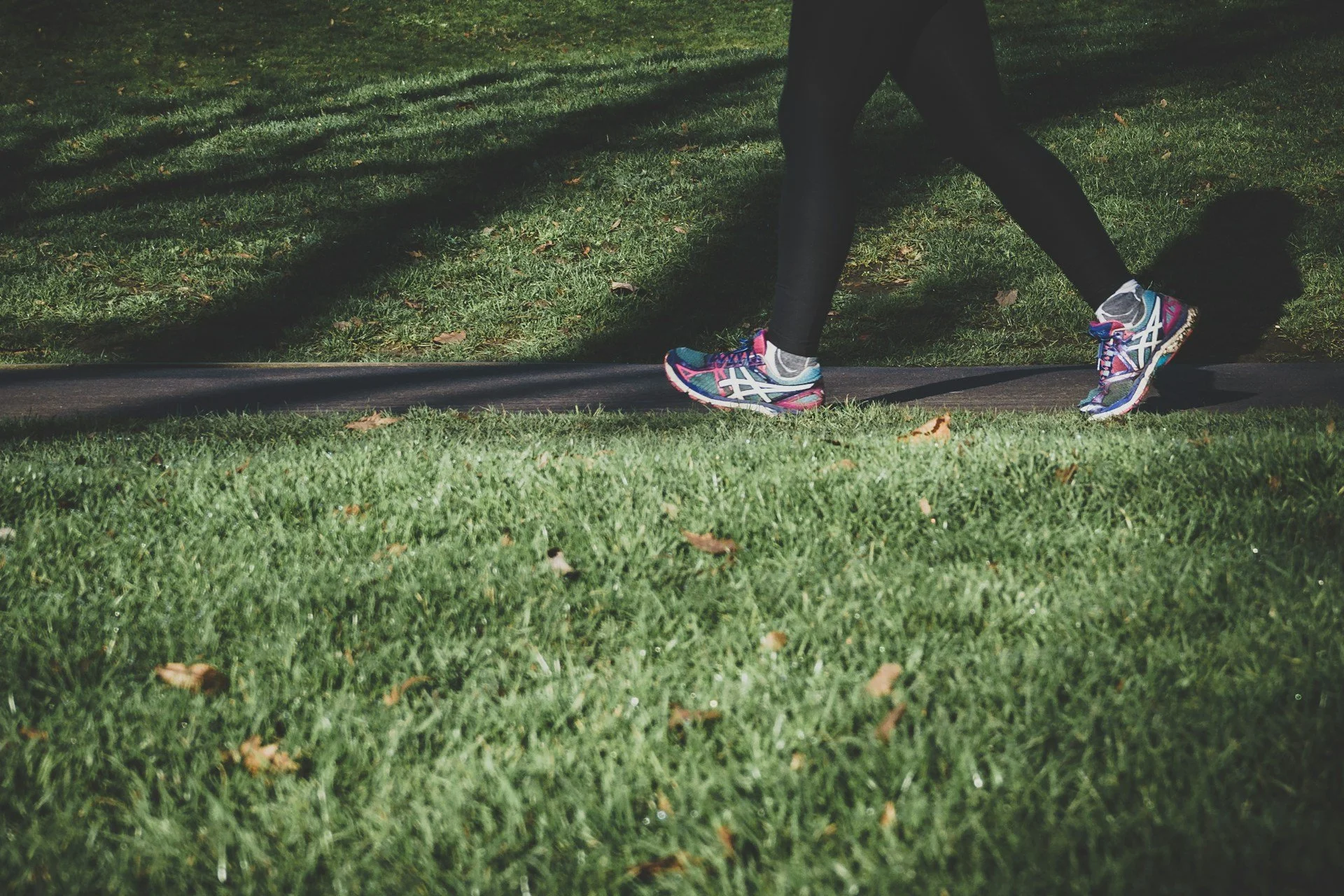
Image credits: Arek Adeoye |Unsplash
Physical activity is one of the most well-supported interventions for brain health.
Exercise supports blood flow to the brain, neuroplasticity, cognitive processing, and memory performance. It also supports overall metabolic health, which is closely linked to brain health over time.
What you can do today:
Take a walk around the block
Stretch between tasks (maybe try one now)
Use stairs instead of elevators when possible.
What you can consider tomorrow:
Build a mix of movement types (cardio, strength training)
Add social movement when possible, like walking with others
Include nature in your exercise routine.
For me, movement is non-negotiable. When I’m at home, I walk with a weighted vest, run, use a stationary bike, and train with a medicine ball. On the road, I’m in a hotel fitness center or in a nearby park every chance I get. Remember, exercise is not about intensity alone. Consistency and variety (remember that whole “enjoyment” thing?) are both key when it comes to physical activity.
Eat Like Your Brain is Listening. Because it is.
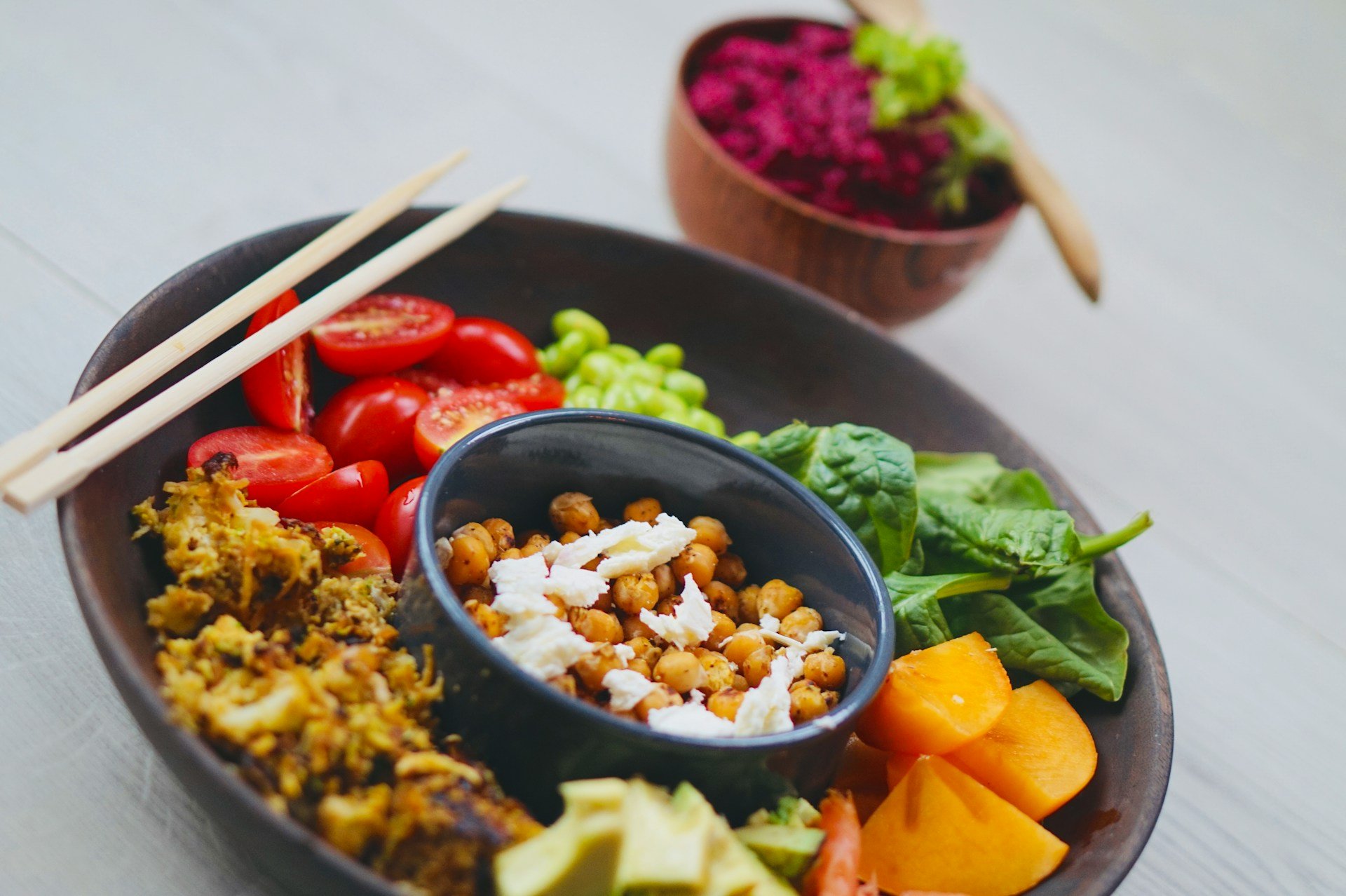
Image credits: Charlotte Karlsen | Unsplash
There’s a powerful link between what you eat and brain health. Diets rich in greens, berries, fish, nuts, and olive oil have been shown to slow cognitive decline. These foods support vascular health, reduce inflammation, and provide nutrients essential for brain function.
What you can do today:
Add a serving of leafy greens or berries to your meals
Replace one ultra-processed snack with a whole-food option
Drink more water throughout the day.
What you can consider tomorrow:
Shift toward earlier evening meals when possible
Increase overall dietary consistency rather than perfection
View food as information (and delight!) for the body and brain, not just calories.
Don’t Underestimate Purpose
Dr. Tiffany Vora with the students of Ransom Everglades | Image credits: Nick Otto
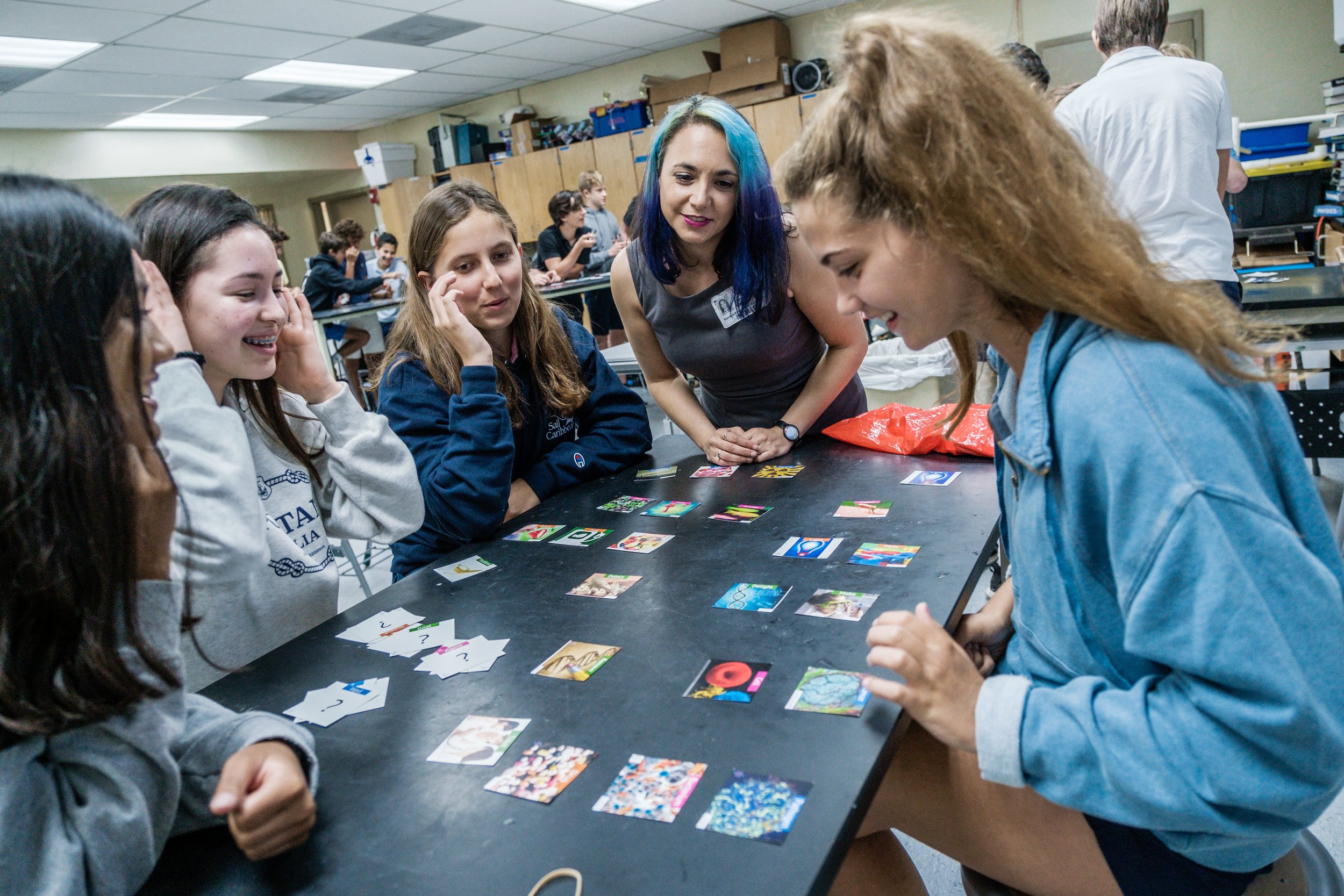
A fascinating area of longevity research involves purpose and social connection. What we’re seeing is that people who maintain strong social ties and a sense of purpose often experience better long-term health outcomes, including cognitive health. Purpose appears to buffer stress, encourage engagement, and support emotional resilience.
And purpose does not need to look dramatic or world-changing.
It can be:
Helping a friend
Continuing to learn
Mentoring someone
Contributing to a community
Creating something meaningful
Sharing your experience and wisdom.
So think about what gives meaning to your life. Your brain thrives when it remains engaged with life and connected to others.
Looking Ahead

Image credits: Marek Pavlik |Unsplash
Alongside foundational habits, there is growing interest in emerging technologies in neuroscience and longevity research.
Some areas being explored include sensory stimulation approaches such as gamma light and sound therapies, as well as broader advances in biotechnology and AI-assisted neuroscience.
At the same time, this field is still evolving, and it is important to stay grounded in evidence rather than hype. Some technologies are promising but early. Others may take years to fully understand or validate. What makes this moment so exciting is not just the technology itself, but the growing recognition that the brain is far more dynamic and adaptable than we once believed.
But even though science and technology are continuing to advance, foundational habits still matter enormously.
So instead of asking whether you are doing everything perfectly, or waiting for the next breakthrough intervention, maybe the better question is this: what is one thing on the list you can do today that your future brain will thank you for? You might even get more delight out of today!
About Tiffany

Dr. Tiffany Vora speaks, writes, and advises on how to harness technology to build the best possible future(s). She is an expert in biotech, health, & innovation.
For a full list of topics and collaboration opportunities, visit Tiffany’s Work Together webpage.
Get bio-inspiration and future-focused insights straight to your inbox by subscribing to her newsletter, Be Voracious. And be sure to follow Tiffany on LinkedIn, Instagram, Youtube, and X for conversations on building a better future.
For the Curious and the Voracious
Subscribe to Be Voracious, Tiffany’s newsletter, for thoughtful conversations on science, innovation, and leadership, delivered straight to your inbox.

Buy Tiffany a Cup of Coffee | Image credits: Irene Kredenets via Unsplash.
Donate = Impact
If this article sparked curiosity, inspired reflection, or made you smile, consider buying Tiffany a cup of coffee!
Your support will:
Spread your positive impact around the world
Empower Tiffany to protect time for impact-focused projects
Support her travel for pro bono events with students & nonprofits
Purchase carbon offsets for her travel
Create a legacy of sustainability with like-minded changemakers!
Join Tiffany on her mission by contributing through her Buy Me a Coffee page.