When SciFi Starts to Feel Familiar: Reflections after (Re)reading Jurassic Park
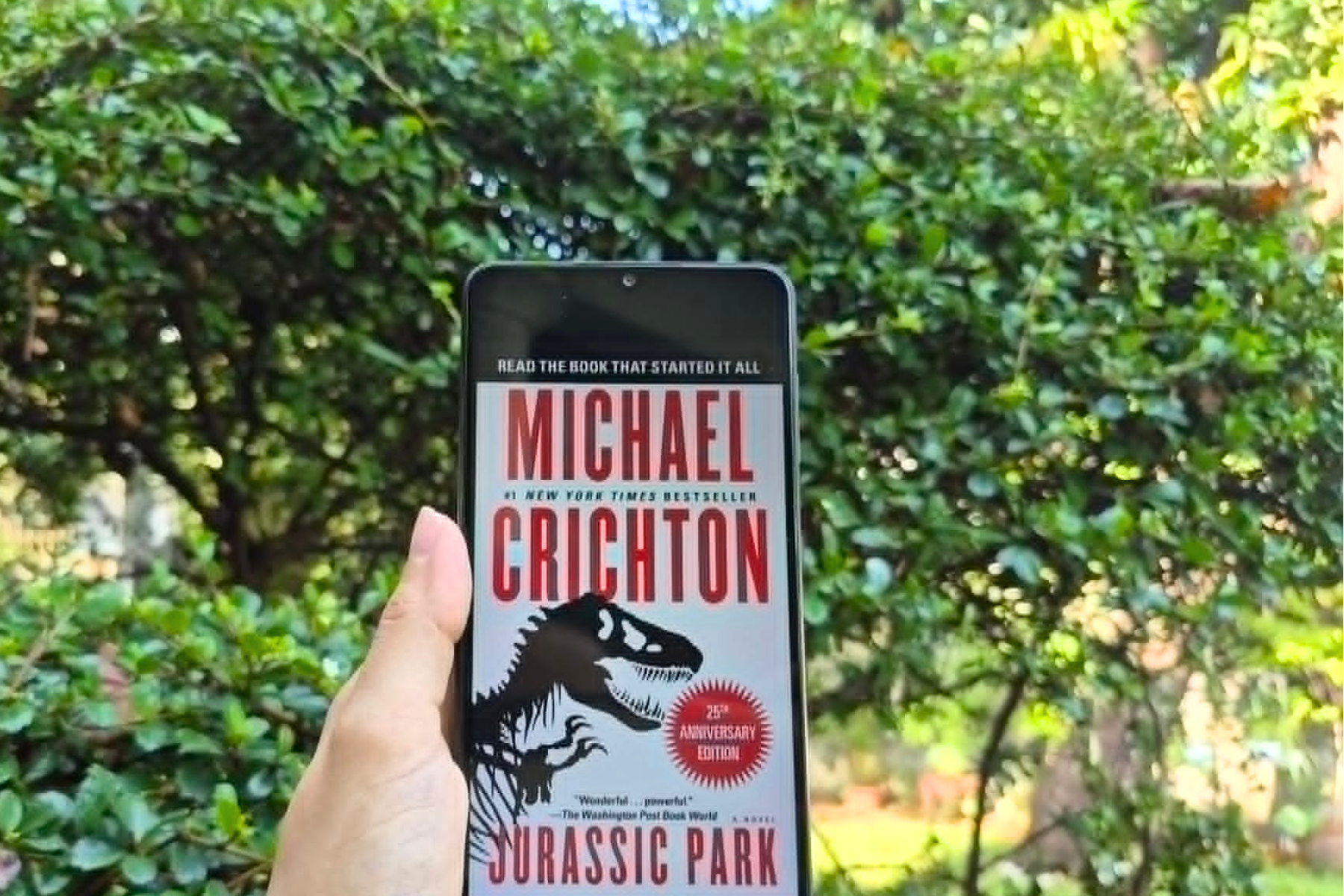
E-book cover of Michael Crichton’s Jurassic Park. Revisiting the novel more than 30 years after its original publication.
I recently reread the 1990 novel Jurassic Park, and it landed very differently now than it did the first time I read it, decades ago.
My two big takeaways? First, this story no longer feels like science fiction. Second, author Michael Crichton was very angry about the commercialization of biotechnology.
That second point is easy to miss, especially if you remember the first movie more than the book. The spectacle of the film draws your attention to the dinosaurs. I vividly remember sitting in the theater as a gangly teenager and watching the scene in which we first spot the dinosaurs on lush green hills. Cue the sweeping music and closeup on the disbelieving eyes of scientists! (I also remember my son and his friends screaming their heads off at the T. rex scene with the jeep, when we rented a theater during the pandemic for a socially distanced screening. I guess 90s cinema was more effective than I realized!)
But underneath the rompin’ stompin’ dinosaur thriller, there’s a much sharper critique aimed at the system that made the park possible in the first place. That’s particularly true in the novel, although you can spot it in the movie if you’re paying attention.
Biology as Something We Can Engineer, Own, and Scale
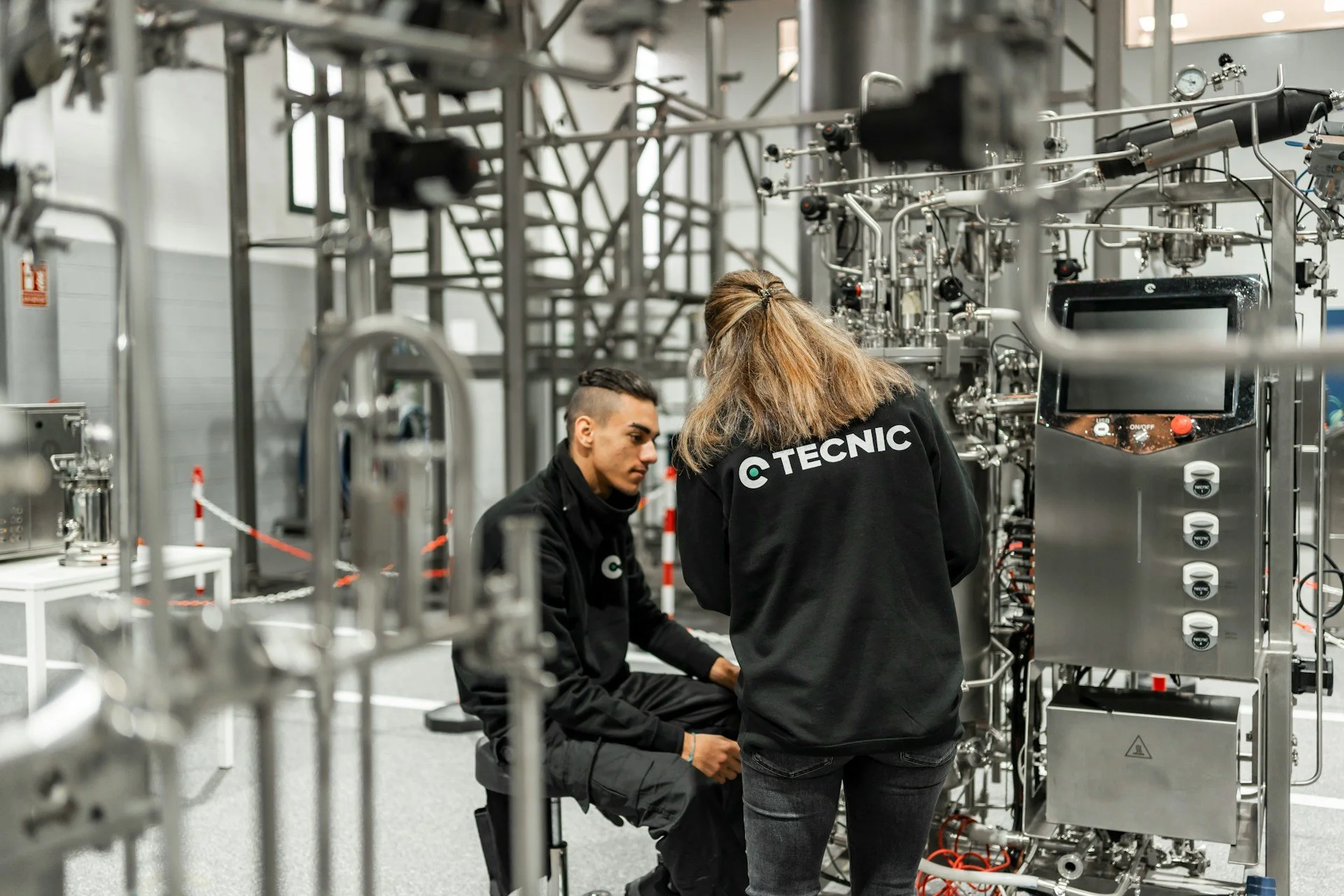
Image credits: TECNIC Bioprocess Solutions | Unsplash
Here’s the thing: Jurassic Park has never really been about dinosaurs. It’s a story about what could happen when biology becomes something we can engineer, own, and scale. The park itself wasn’t just a scientific breakthrough. It was a business model built on proprietary biology, investor expectations, and the assumption that complex living systems could be packaged, controlled, monetized, and sanitized.
In that sense, the fictional park worked. Right up until it didn’t.
Reading the novel now, I was struck by how much of that framing has become real in the 36 years since the book’s publication. We can edit genomes with increasing precision. We can design proteins with the help of AI. We can manufacture biology in controlled environments and begin to move it out into the world. The technical barriers that once made these ideas feel distant have been falling, one by one.
The science is working.
But Crichton’s real concern wasn’t whether the science would work. It was whether everything around the science would, or even could.
He was explicit about incentives: about what happens when the people building these systems are also responsible for making them profitable. He pushed on questions of ownership, like who gets to control biological material, and what it means to treat living systems as assets. And he returned, again and again, to complexity—the idea that biological systems don’t behave like tidily engineered ones, and that their responses don’t stay neatly contained within the boundaries we draw.
Crichton’s View on the Systems Around Biotech
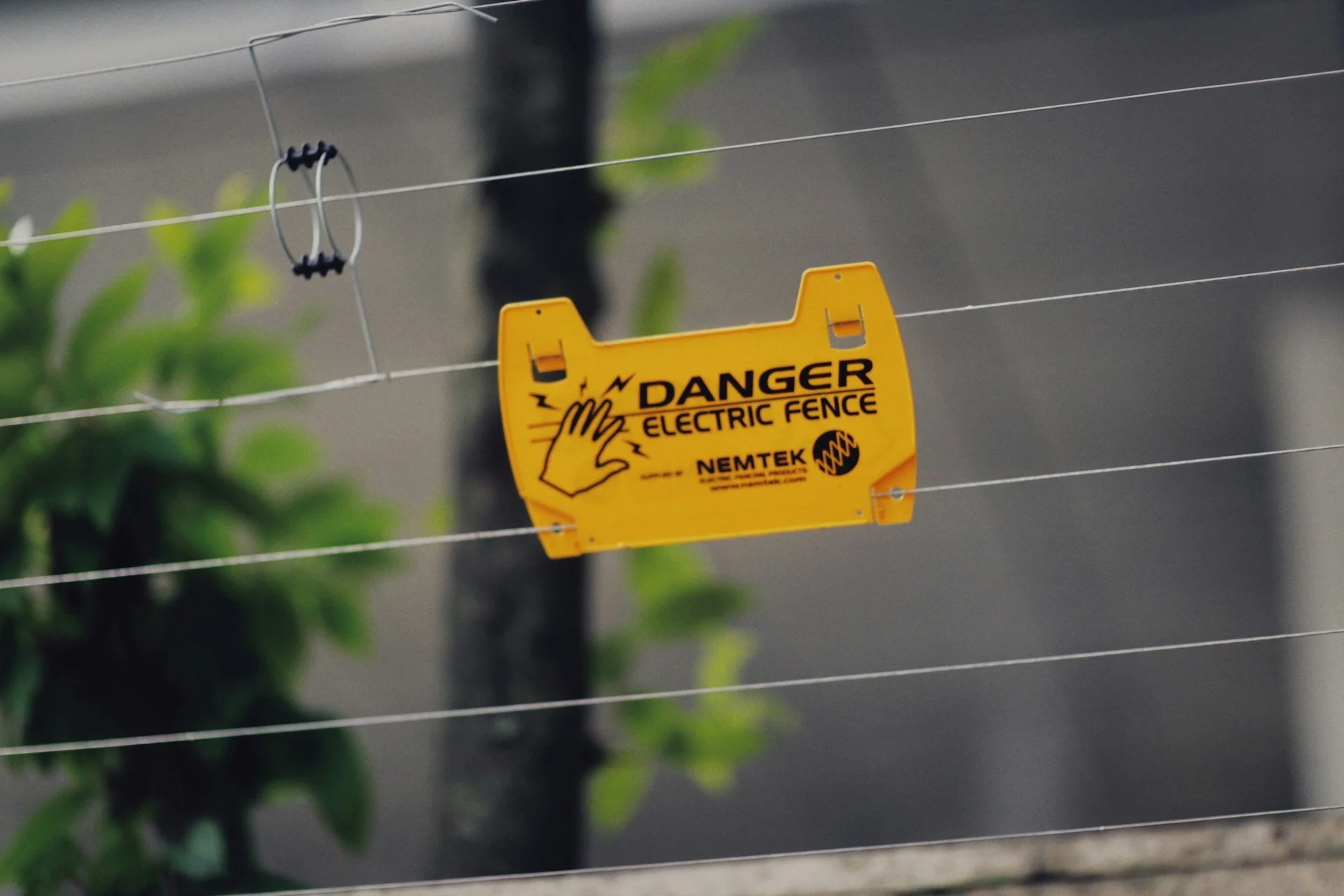
Image credits: Alexey Demidov | Unsplash
That’s where Crichton’s anger comes through. Not in opposition to biotechnology itself (he was a medical doctor by training, after all), but in frustration with how quickly it was being pulled into commercial structures that weren’t designed to handle its nuances.
He didn’t even try to hide this perspective. The Introduction to the novel (which appears even before the Prologue) consists of a “history” of the rise of commercial biotech, largely in the San Francisco Bay Area (ouch). In broad strokes, Crichton captures some of this fascinating history. Then, however, the reader encounters text like this: “Suddenly it seemed as if everyone wanted to become rich … There are very few molecular biologists and very few research institutions without commercial affiliations. The old days are gone. Genetic research continues, at a more furious pace than ever. But it is done in secret, and in haste, and for profit.”
These statements are objectively false. They are false today—there is a thriving international research community dedicated to fundamental understanding of life, not to biotech applications—and they were false when they were written 36 years ago. Nonetheless, that a medically trained scientist opened a mass-market work of fiction with these words says something powerful about the fears we hold about biotech, as individuals and as societies.
When Science Leaves the Lab

Image credits: George Patient | Unsplash
Three decades later, those tensions haven’t gone away. No, we haven’t de-extincted any dinosaurs … although I dig this lab-grown T. rex leather purse, and my birthday is coming up (just saying). If anything, though, these tensions have intensified. Biology has expanded from a field of pure investigation to a platform for innovation. With that expansion comes scale, speed, and pressure—from markets, from competition, from geopolitics, from the promise of outsized returns.
This is the part of the story we’re in now. The part where the technology works well enough to leave the lab and enter the world. The part where second- and third-order effects begin to matter more than the initial breakthrough. The part where systems—economic, legal, institutional—start to determine outcomes as much as the science itself.
Looking Ahead

Image credits: Sung Jin Cho |Unsplash
Jurassic Park reads differently because we’re no longer asking whether we can do these things. We’re living inside the systems that make them possible. Which means we need to move our attention outward.
The risk of biotechnology has never been just that we might lose control of what we create. (Now is a great time to (re-)read Mary Shelley’s Frankenstein, by the way.) It’s that we might build entire systems—driven by incentives, ownership, and urgency—that wind up assuming control.
We are now very good at building biotech capabilities. The harder, more important work is building the systems that deserve them.
About Tiffany

Dr. Tiffany Vora speaks, writes, and advises on how to harness technology to build the best possible future(s). She is an expert in biotech, health, & innovation.
For a full list of topics and collaboration opportunities, visit Tiffany’s Work Together webpage.
Get bio-inspiration and future-focused insights straight to your inbox by subscribing to her newsletter, Be Voracious. And be sure to follow Tiffany on LinkedIn, Instagram, Youtube, and X for conversations on building a better future.
For the Curious and the Voracious
Subscribe to Be Voracious, Tiffany’s newsletter, for thoughtful conversations on science, innovation, and leadership, delivered straight to your inbox.

Buy Tiffany a Cup of Coffee | Image credits: Irene Kredenets via Unsplash.
Donate = Impact
If this article sparked curiosity, inspired reflection, or made you smile, consider buying Tiffany a cup of coffee!
Your support will:
Spread your positive impact around the world
Empower Tiffany to protect time for impact-focused projects
Support her travel for pro bono events with students & nonprofits
Purchase carbon offsets for her travel
Create a legacy of sustainability with like-minded changemakers!
Join Tiffany on her mission by contributing through her Buy Me a Coffee page.