Image credits: Pramod Tiwari | Unsplash
Note: This is an updated version of my original blog article, “Looking into the Future of Work,” expanded to include my reflections on developments in artificial intelligence and space exploration.
AI, climate change, hybrid work, longer lifespans… what challenges and opportunities can we spot today for the future of work?
Challenges and Opportunities Shaping the Future of Work
Here are a few ideas from my focus areas of biotech, medicine, agriculture, sustainability, and space:
💡 Rising temperatures and extreme weather will impact the health and safety of people who work outdoors.
Farm workers, delivery people, construction workers, miners, and others (particularly in cities) are all at risk of severe illness and even death from heat and humidity. Also expect financial losses for workers and companies when it’s simply too hot to work.
💡 Psychological safety and mental health at work will be deeply entwined with technology as digital and hybrid work and AI grow.
Tech can foster trust, or it can undermine it—highlighting the importance of mindful adoption (and ongoing monitoring) of new workplace tools. It will be increasingly easy and cheap to gather vast amounts of data on employees and their activity, but what information is actually useful (and ethical) for both employers and employees? And how will employees be sure that their data is safe? Digital safety and health may rise to be as important as physical safety in the workplace.
💡 Longer careers will bring new considerations about workplace safety.
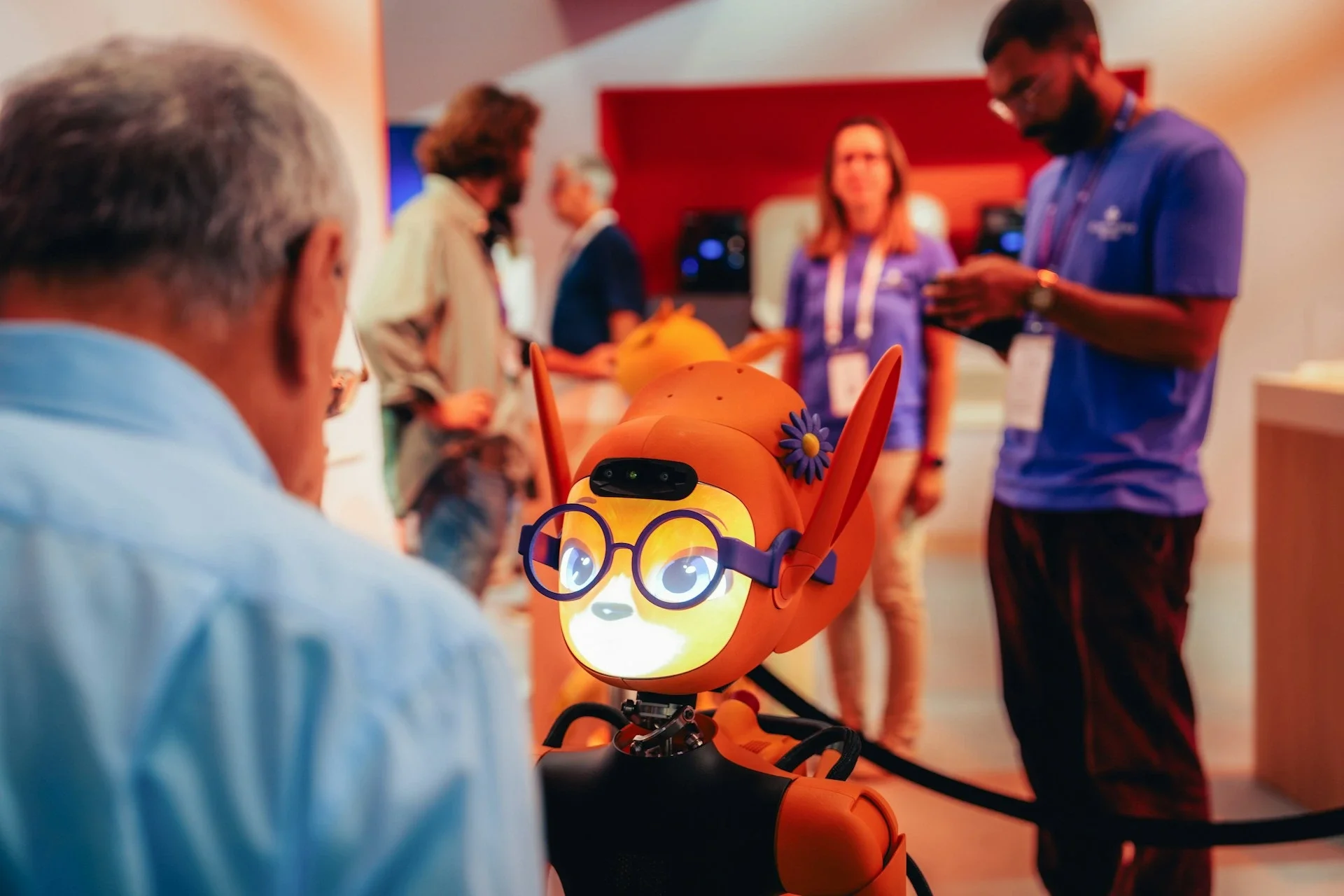
Image credits: Enchanted Tools | Unsplash
How will companies support the safety of older workers, for example for physical labor? Can career trajectories be flexible enough to consider changes in our occupational health and safety needs as we age? How can employers help mitigate the impact on work of chronic diseases, which become more common with age?
We can already see some of these changes taking shape. But what happens when we look further ahead, as AI and space exploration open up entirely new possibilities for work?
Here’s the headline: Most Jobs of the Future haven’t been invented yet.
Twenty years ago, “social media manager” barely existed as a profession. Twenty years from now, some of our most important jobs may sound equally strange to us today. Retraining people for jobs we can already name is only a tiny part of how we prepare the workforce of the future. We all need to grow our scientific literacy, adaptability, judgment, and imagination to create—and then step into—jobs that haven’t been invented yet.
What AI and Biotechnology Could Create

Image credits: Google DeepMind |Unsplash
You’ve heard me say it before: biotechnology is the killer app for AI. At the intersection of AI and biotech, we are gaining the ability not just to understand biology, but to design, predict, and increasingly program it, from proteins and microbes to crops, materials, medicines, and ecosystems. That revolution will create entirely new categories of work. Here are just a few examples: people who audit AI-designed organisms, anticipate evolutionary consequences, manage biological supply chains, build defenses against emerging pathogens, or decide when engineered biology is safe enough to release into the world.
Space Lawyers and the Future of Work in Space
Or consider space. In February 2026, I gave the closing remarks at a space symposium hosted by law students at the University of Pennsylvania. That’s right: “space lawyer” is a job. And not only is it a job now, but with a little imagination, we can see how it could evolve into a host of career opportunities in the coming decades.
The obvious paths are regulation, export controls, contracts, and IP. But what about becoming an interplanetary governance architect, designing systems for communities on the Moon or Mars? A planetary environmental steward, creating protections before we irreversibly alter another world? A human systems counsel, tackling questions of labor, consent, health, and responsibility when evacuation to Earth isn’t an option? Or a commons and risk designer, figuring out how we share finite resources, from orbital space and spectrum today to water and other resources on the Moon tomorrow?
Building the Rules for Tomorrow, Starting Today
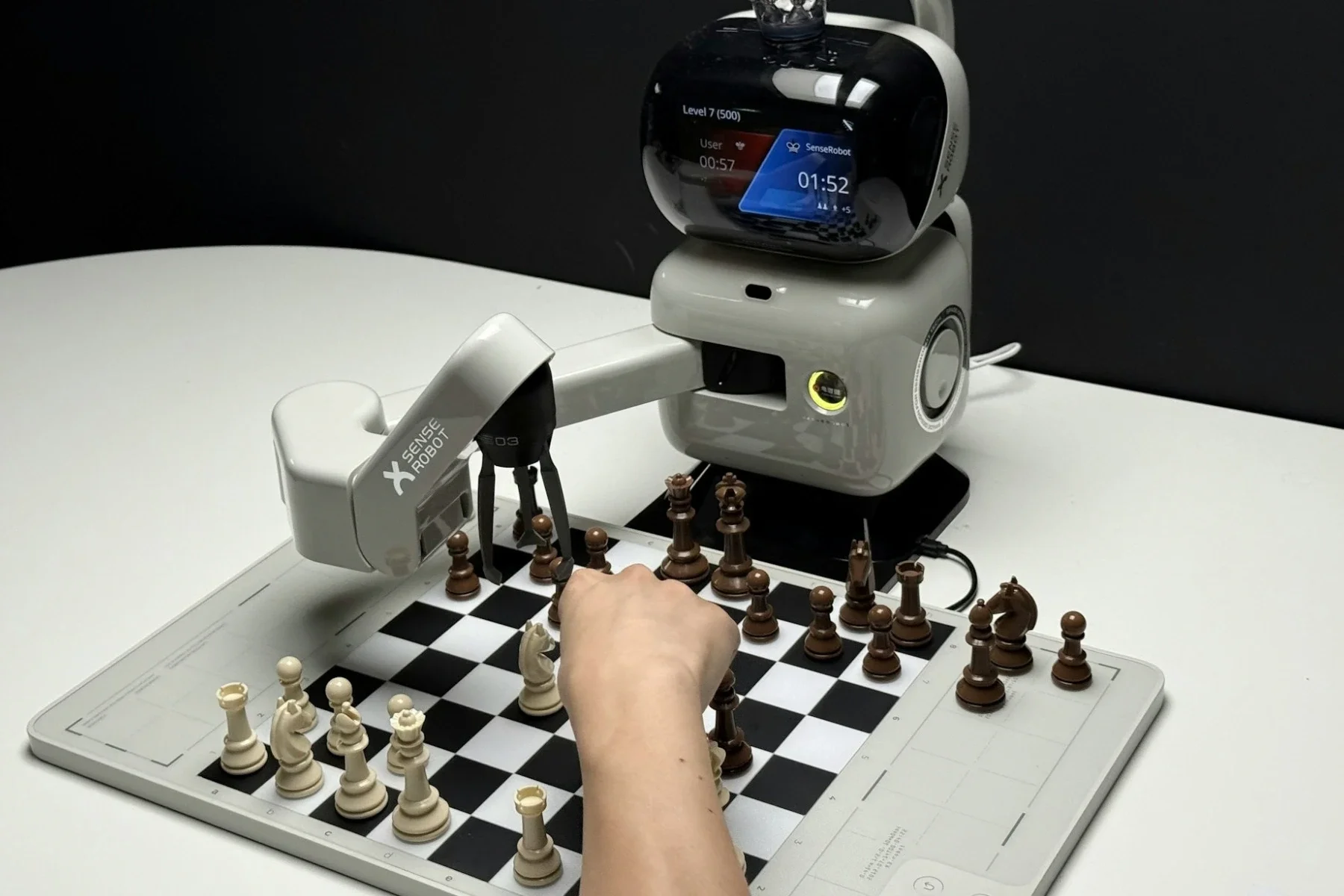
Image credits: Amos K | Unsplash
As space moves from exploration-oriented missions toward an industrial ecosystem (and eventually, I hope, sustainable human settlement on Mars) we will need lawyers who can do much more than interpret the rules we already have. We need people who can imagine the systems, institutions, rights, responsibilities, and shared values we’ll need decades from now. Plus, we need people to start building them today!
As Dr. Scott Pace reminded us at the Humans to the Moon and Mars Summit: “The rules are made by those who show up.”
So, future space lawyers: show up. The same invitation goes out to future workers in any field that’s being impacted by today’s advances in exponential technologies. I could call out your fields by name, but that’s not the point, is it? You’re the people who are creating whole new ways of showing up in the world. You’re the ones that we need to build peaceful and prosperous futures for folks around the world.
Show up, my friends. You know how to reach me.
If this conversation sparked your curiosity, you might want to explore these additional resources:
💡 Why This AI Moment Matters: Building Positive Futures Together Starts Now | Read my reflection piece on AI and positive futures here
💡Can You Retire on Mars? | Explore what retirement might look like beyond Earth
💡 Designing Digital Wellbeing for Space: Building a Human-First Digital Future | Read this deep dive from the Mars Innovation Series
💡 Outdoor Jobs Heat Impacts | Read The Guardian’s reporting on the effects of extreme heat
💡 What Psychological Safety Looks Like in a Hybrid Workplace | Read the article from Harvard Business Review
💡 What It’s Like to Toil in Dangerous Heat | Read the article from the Washington Post
💡 The Case for Hiring Older Workers | Consider Harvard Business Review’s case for the value of older workers
About Tiffany

Dr. Tiffany Vora speaks, writes, and advises on how to harness technology to build the best possible future(s). She is an expert in biotech, health, & innovation.
For a full list of topics and collaboration opportunities, visit Tiffany’s Work Together webpage.
Get bio-inspiration and future-focused insights straight to your inbox by subscribing to her newsletter, Be Voracious. And be sure to follow Tiffany on LinkedIn, Instagram, Youtube, and X for conversations on building a better future.
For the Curious and the Voracious
Subscribe to Be Voracious, Tiffany’s newsletter, for thoughtful conversations on science, innovation, and leadership, delivered straight to your inbox.

Buy Tiffany a Cup of Coffee | Image credits: Irene Kredenets via Unsplash.
Donate = Impact
If this article sparked curiosity, inspired reflection, or made you smile, consider buying Tiffany a cup of coffee!
Your support will:
Spread your positive impact around the world
Empower Tiffany to protect time for impact-focused projects
Support her travel for pro bono events with students & nonprofits
Purchase carbon offsets for her travel
Create a legacy of sustainability with like-minded changemakers!
Join Tiffany on her mission by contributing through her Buy Me a Coffee page.
Our Editorial Process
We believe AI is most valuable when it strengthens human thinking rather than replaces it. Throughout our editorial workflow, we use AI to transcribe conversations, organize information, brainstorm, challenge assumptions, improve clarity, automate repetitive tasks, and pressure-test our reasoning before publishing.
Editorial responsibility remains ours. AI helps us think, write, and work more effectively, but judgment, accountability, and our relationship with readers remain human.