Image credits: Daniele Colucci | Unsplash
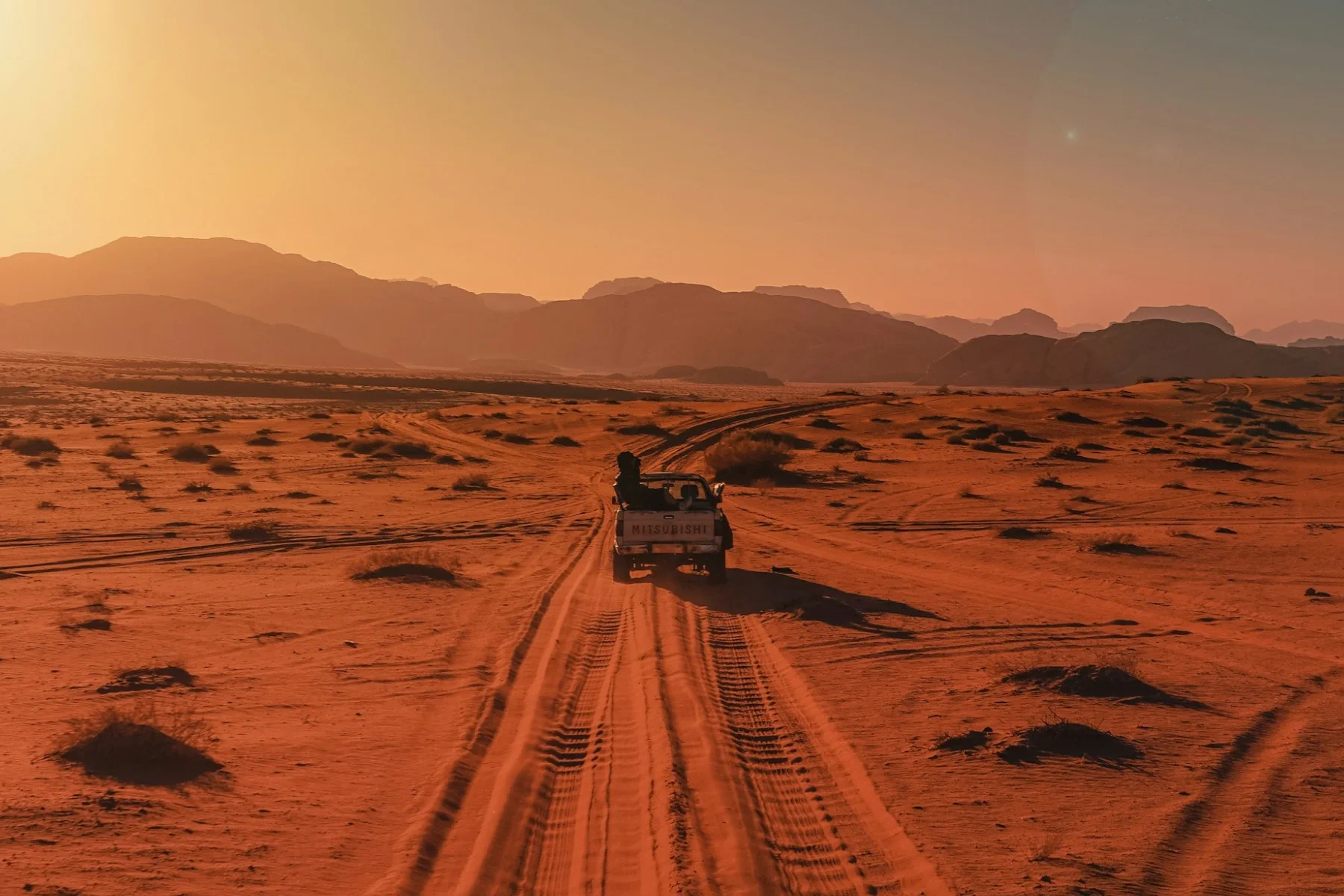
When most people imagine humans on Mars, they picture rockets.
Dr. Scott Solomon imagines grandchildren. Not surprising, given that he’s an evolutionary biologist.
That shift in perspective is what makes his new book, Becoming Martian: How Living in Space Will Change Our Bodies and Our Minds, such an engaging read. Rather than asking whether we can get people to Mars—or even whether we can keep astronauts alive there—Solomon asks a much deeper question: What happens to humanity after we stay?
It is an evolutionary biologist's question. More importantly, it's one that forces us to shift our thinking from the coming years to the coming generations.
Full disclosure: Scott is a colleague and friend, and I had the pleasure of being interviewed for this book.
From Exploration to Evolution
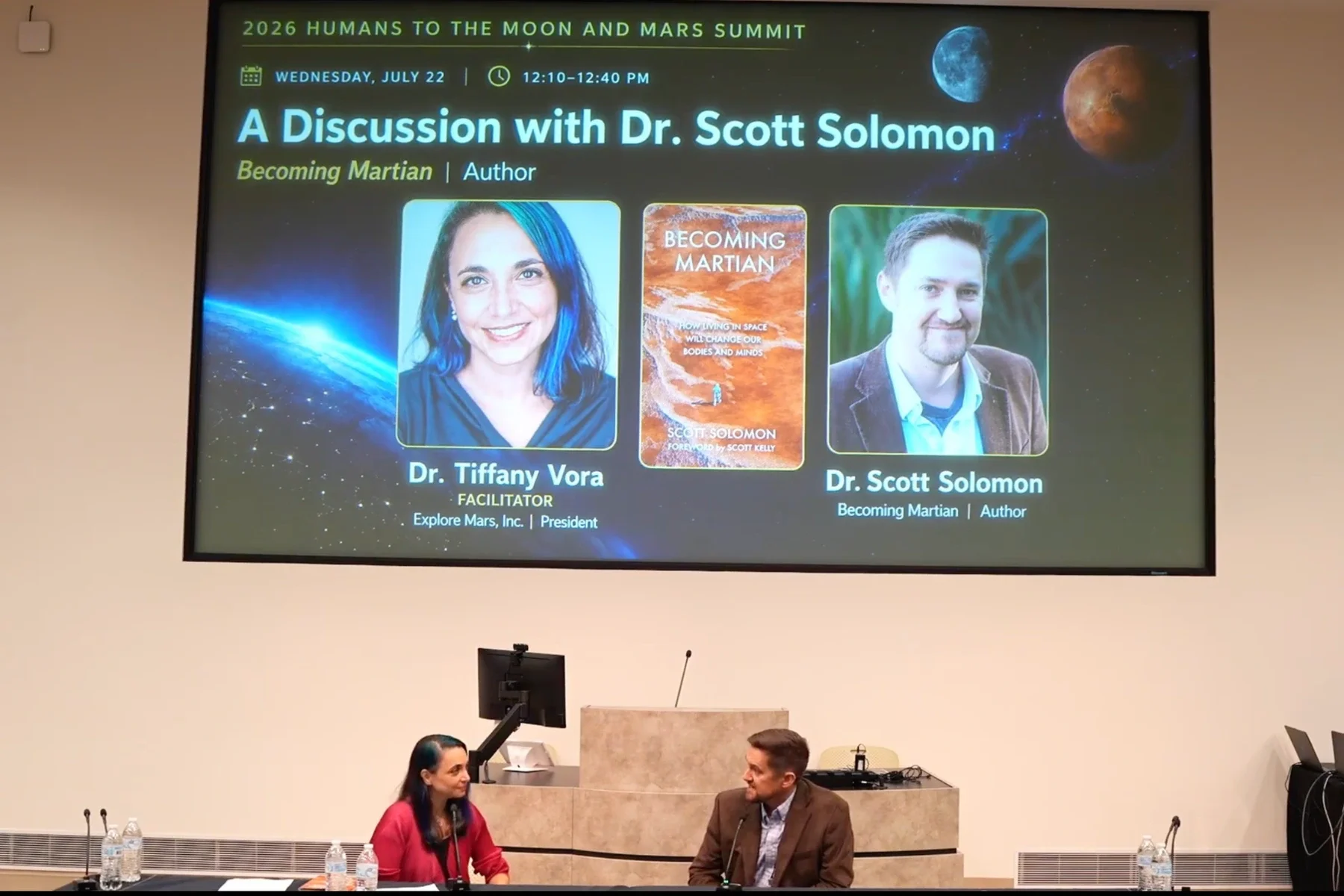
A full circle moment: Dr. Scott Solomon discusses his book, Becoming Martian, at the 2026 Humans to the Moon and Mars Summit. The idea for the book first took shape at an earlier Humans to Mars Summit.
The idea for the book arose when Solomon attended a previous Humans to Mars Summit hosted by Explore Mars (where I’m now honored to serve as President!). After listening to engineers, scientists, and mission planners discuss permanent settlement of the Red Planet, he found himself asking a question that few others seemed to be asking.
If humans establish a permanent settlement on Mars, what happens to our descendants? Would they adapt? Would they evolve?
Could they eventually become something we would recognize as a different kind of human?
These questions form the backbone of the book.
Solomon patiently walks readers through the evolutionary principles that allow us to make informed—not speculative—predictions. He combines evolutionary biology, planetary science, and decades of space medicine research to ask how gravity, radiation, isolation, and life inside closed habitats might shape future generations born beyond Earth.
Importantly, he reminds us that evolution need not take millions of years. Under the right conditions (small founding populations, strong selection pressures, and reproductive isolation) meaningful evolutionary change can occur surprisingly quickly.
There’s So Much We Still Don’t Understand
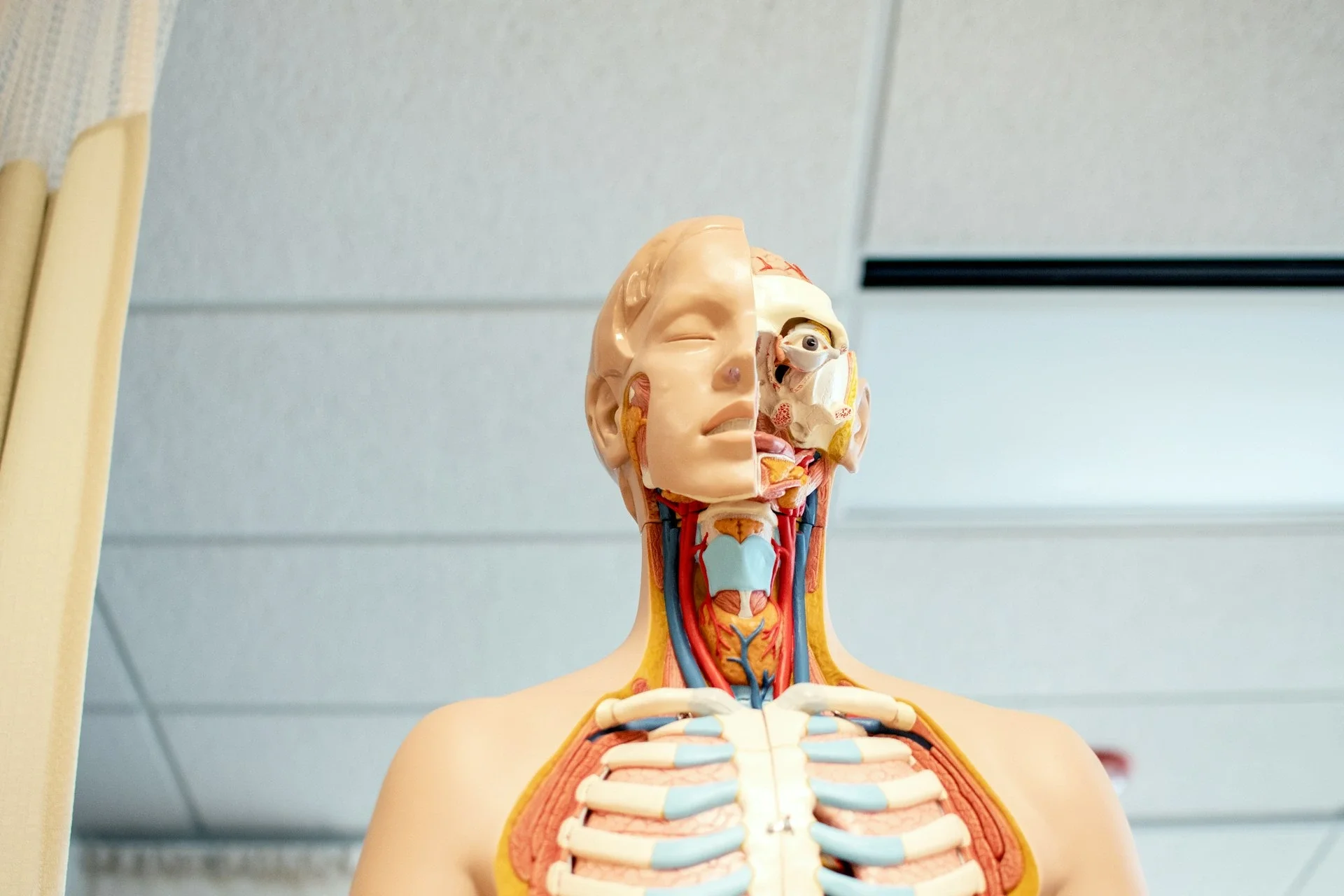
Image credits: Nhia Moua | Unsplash
One of the book's greatest strengths is its honesty about uncertainty.
We know a fair amount about how adult bodies respond to spaceflight. We know almost nothing about what happens when humans conceive, gestate, are born, and grow up in Mars conditions: lower gravity, higher radiation, etc.
That leaves enormous unanswered questions:
How do developing bones respond?
What happens to the cardiovascular system?
Can pregnancy proceed safely?
How does growing up inside a carefully engineered habitat—with little exposure to Earth's microbial diversity, sunlight, or weather—shape the immune system and microbiome?
Interestingly, each of these scientific questions leads to big questions about how a Mars community could take shape.
We Don’t Send Humans. We Send Ecosystems.
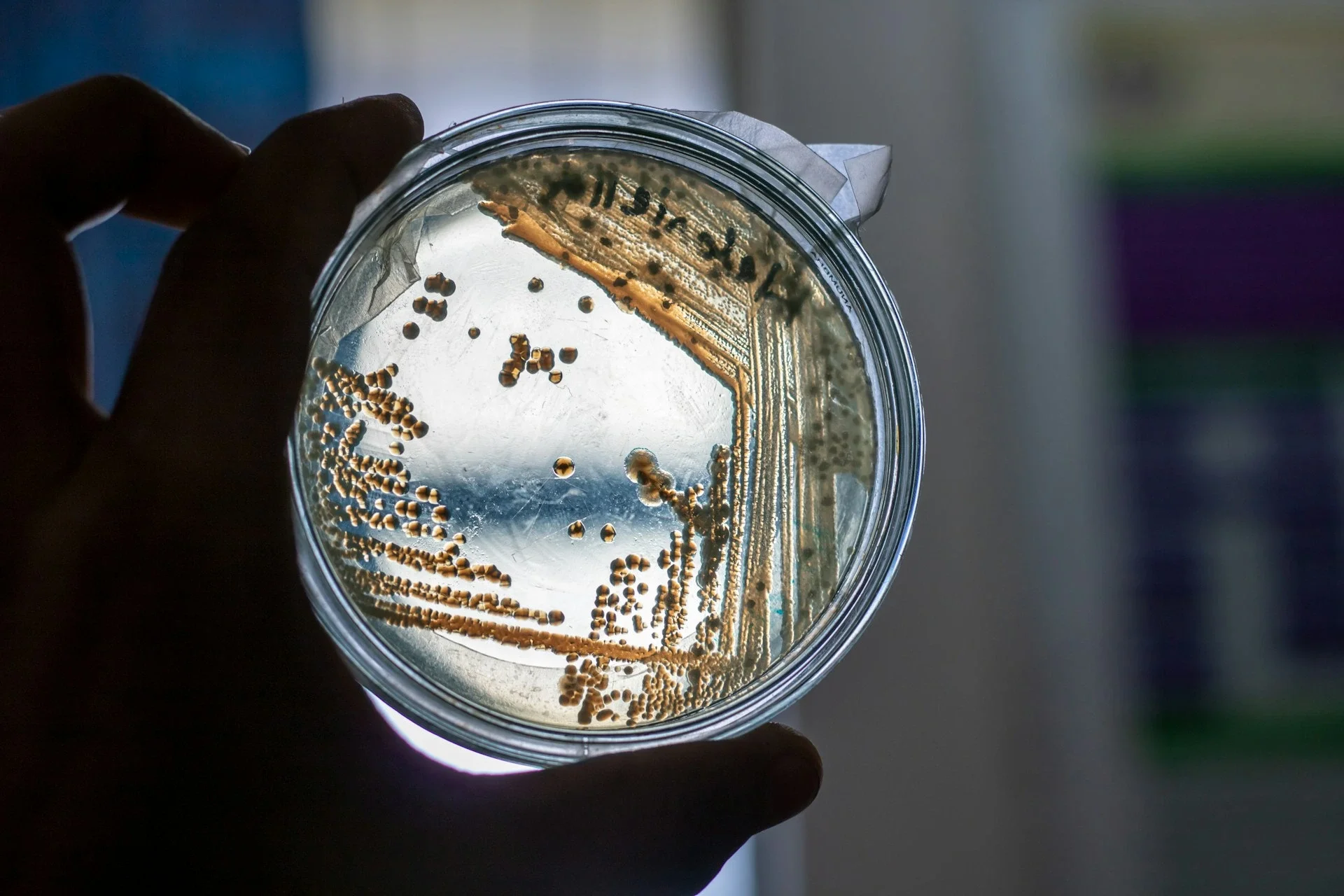
Image credits: Araf Ibne Alam | Unsplash
Another thread I found particularly compelling concerns microorganisms. (Of course! I love bacteria!) For the purposes of this discussion, let’s assume that there is currently no living biology on Mars, which I devoutly hope is wrong. But moving on ….
Solomon argues that over time, Earth and Mars could become microbiologically distinct worlds. Microbes that are harmless on Earth could pose risks to Martians, while Martian microbial communities could evolve along entirely different trajectories.
That observation led me to a broader thought while reading.
We often speak as though humans are the unit that migrates.
But humans are ecosystems. We carry trillions of microbial partners that influence immunity, metabolism, development, and aspects of behavior. Designing a Martian settlement therefore means designing microbial ecosystems, food systems, and built environments—not simply habitats.
Where I Found Myself Asking New Questions
Perhaps unsurprisingly, given my own background in molecular biology and synthetic biology, my mind kept drifting toward another possibility.
Much of the book examines how natural selection might shape future Martians. But what if natural selection is only part of the story?
We are entering an era in which humans increasingly modify biology intentionally. Gene editing. Engineered microbiomes. Synthetic chromosomes. RNA therapeutics. Brain-computer interfaces. Advanced reproductive technologies.
These developments complicate the classical evolutionary picture. Future Martians may indeed evolve through natural selection, but they may also continually redesign themselves.
Solomon touches on these areas toward the end of the book. Personally, I suspect the future of humanity beyond Earth will be shaped as much by biology we design as by biology that evolves.
A Refreshingly Cautious Conclusion
Given its premise, and what I know about him personally, I thought that Solomon would conclude with an enthusiastic endorsement of permanent settlement. Instead, he argues almost the opposite.
Not that we should never establish permanent settlements … but that we are not yet ready.
In his view, there are still too many unanswered questions surrounding pregnancy, child development, food systems, infectious disease, psychology, and the practical realities of sustaining healthy societies beyond Earth. (For more about these challenges, check out the excellent book A City on Mars, by Kelly and Zach Weinersmith; I interviewed Kelly in 2024.)
Responsible exploration and settlement require intellectual humility. Not by throwing up our hands and saying it's too hard, but by doing the rigorous science needed to make informed decisions.
Let’s do this.
The Big Takeaway
Image credits: OStudio | Unsplash
The final pages of Becoming Martian contain a sentence that has lingered with me since I finished the book:
"By preserving ourselves, we ensure that we will never be the same."
This is a beautiful paradox.
Would becoming multi-planetary preserve human civilization against existential risk? Maybe. Regardless, Solomon reminds us that preservation is not stasis.
If humanity survives for millennia across planets—and perhaps someday across star systems—we should expect our descendants to become increasingly diverse, biologically and culturally. The irony is profound: our greatest act of preservation may also be our greatest act of transformation.
The bottom line is that Becoming Martian is ultimately a book about humanity. It asks us to imagine not simply where our descendants will live, but who they might become. How we might define ourselves relative to those future generations. Whether humans can become better versions of ourselves than we ever have been: psychologically, relationally, environmentally, scientifically, artistically, spiritually.
Evolution will change us. How much change will we choose for ourselves?
About Tiffany

Dr. Tiffany Vora speaks, writes, and advises on how to harness technology to build the best possible future(s). She is an expert in biotech, health, & innovation.
For a full list of topics and collaboration opportunities, visit Tiffany’s Work Together webpage.
Get bio-inspiration and future-focused insights straight to your inbox by subscribing to her newsletter, Be Voracious. And be sure to follow Tiffany on LinkedIn, Instagram, Youtube, and X for conversations on building a better future.
If this book review sparked your curiosity, you might want to explore these additional resources:
💡The Mars Society Journey: Analogs, Bold Conversations, and the Futures We Are Building | Read my space journey here
💡Can You Retire on Mars? | Read my reflection piece here
💡The ISS Is Retiring. Can It Still Help Us Get to Mars? | Read my reflection piece here
💡When Science (Fiction) Is Human: Reflections on Project Hail Mary | Read the movie review here
💡Artemis II Signals a New Era | Watch the Exponential Africa podcast clip here
💡What Will Life on Mars Look Like? | Watch the H2M2 video clip here
For the Curious and the Voracious
Subscribe to Be Voracious, Tiffany’s newsletter, for thoughtful conversations on science, innovation, and leadership, delivered straight to your inbox.

Buy Tiffany a Cup of Coffee | Image credits: Irene Kredenets via Unsplash.
Donate = Impact
If this article sparked curiosity, inspired reflection, or made you smile, consider buying Tiffany a cup of coffee!
Your support will:
Spread your positive impact around the world
Empower Tiffany to protect time for impact-focused projects
Support her travel for pro bono events with students & nonprofits
Purchase carbon offsets for her travel
Create a legacy of sustainability with like-minded changemakers!
Join Tiffany on her mission by contributing through her Buy Me a Coffee page.
Our Editorial Process
We believe AI is most valuable when it strengthens human thinking rather than replaces it. Throughout our editorial workflow, we use AI to transcribe conversations, organize information, brainstorm, challenge assumptions, improve clarity, automate repetitive tasks, and pressure-test our reasoning before publishing.
Editorial responsibility remains ours. AI helps us think, write, and work more effectively, but judgment, accountability, and our relationship with readers remain human.